The Liver Life Project
Research












Where to Begin?
When it comes to the subject of liver research, it’s hard to know where to begin, as new advances are continuously evolving.
However,
the
biggest
hurdle
comes
from
the
lack
of
funding
from
both
the
Government
and
private
enterprises.
Far
more
money
is
needed
if
we
are going to resolve the unacceptably high death rate due to liver disease, which is increasing exponentially year on year.
(Click on the logos to visit the site)
The Gut
There
are
a
number
of
studies
presently
looking
at
and
understanding
the
role
the
gut
plays
in
liver
disease.
The
Roger
Willimans
Institute
of
Hepatology
at
King’s
College,
London,
have
been
doing
some
remarkable
work
looking
at
the
gut-liver-brain
axis
in
chronic
liver
disease.
The
team is headed up by Prof Debbie Shawcross.
In
this
rather
lengthy
“The
Inside
Matters”
podcast
from
2022
(1hr
15min),
Prof
Debbie
Shawcross
talks
with
Dr
James
McIlroy
about
Revolutionising Liver and Gut Health: The Future of FMT and Diet.
I
should
point
out
to
those
who
may
be
interested
that
there
are
some
further
excellent
podcasts
available
in
this
“The
Inside
Matters”
series,
which can be found here:
https://insidematters.health/
NIHR Birmingham Biomedical Liver Research Centre
Transforming outcomes for patients with inflammatory liver disease through early diagnosis and developing new therapies.
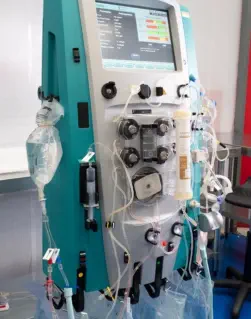
The Liver Dialysis Machine
A news story dated the 20
th
of March 2025,
“Royal Free Hospital leads pivotal trial of a novel 'liver dialysis' machine for liver failure patients”.
A
pivotal
trial
involving
a
new
liver
dialysis
machine
for
patients
with
liver
failure
will
get
underway
at
the
Royal
Free
Hospital
(RFH)
in
the
early
autumn.
The
DIALIVE
device
will
be
used
to
help
patients
with
a
severe
liver
condition
called
acute-on-chronic
liver
failure
(ACLF).
The condition often causes multi-organ failure, and many patients don’t survive.
DIALIVE
works
by
removing
toxins
from
patients’
blood
and
by
exchanging
‘dysfunctional’
albumin
for
healthy
albumin.
This
allows
the
patient
time
for
their
liver
to
recover
and
regenerate
so
it
can
start
functioning
on
its
own.
A
previous
Europe-wide
study
showed
the
device
is
safe
and
offers
benefits.
The
study
indicated
that
for
those
treated
with
DIALIVE,
ACLF
was
resolved
approximately
twice
as
frequently
and,
significantly,
more
rapidly
than
those
on
standard
treatments.
The
full
story
can
be
found
here:
h
t
t
p
s
:
/
/
w
w
w
.
r
o
y
a
l
f
r
e
e
.
n
h
s
.
u
k
/
n
e
w
s
/
r
o
y
a
l
-
f
r
e
e
-
h
o
s
p
i
t
a
l
-
l
e
a
d
s
-
p
i
v
o
t
a
l
-
t
r
i
a
l
-
n
o
v
e
l
-
l
i
v
e
r
-
d
i
a
l
y
s
i
s
-
m
a
c
h
i
n
e
-
l
i
v
e
r
-
f
a
i
l
u
r
e
-
patients#:~:text=A%20pivotal%20trial%20involving%20a,chronic%20liver%20failure%20(ACLF)
.
News of the Liver Dialysis Machine broke back in June 2023.
More Guts “
Ammonia build-up kills liver cells but can be prevented using existing drugs”.
For
those
who
have
been
reading
about
Hepatic
Encephalopathy
(HE)
as
mentioned
in
the
“Medical
Consequences”
section,
you’ll
know
by
now
that
the
production
of
ammonia
in
the
gut
is
a
natural
occurrence.
But
what
has
recently
been
discovered
is
that
high
levels
of
ammonia
kill
liver
cells by damaging the mitochondria that power the cells.
Of
the
100
million
people
in
the
world
with
cirrhosis
(scarring
of
the
liver),
about
three
million
are
hospitalised
with
an
episode
of
confusion
or
coma
that
is
associated
with
elevated
ammonia
levels
in
blood
and
brain
tissues,
with
10-15%
of
these
expected
to
die
within
three
months
of
the episode.
In
promising
news
for
these
patients,
the
research
demonstrated
that
an
existing
drug,
called
YAQ-005
(previously
known
as
TAK-242),
can
halt
damage
to
the
mitochondria
in
liver
cells,
allowing
them
to
do
their
job
of
converting
ammonia
into
urea
so
that
it
can
be
excreted
as
urine
(a
process called the urea cycle).
A
phase
II
clinical
trial
for
YAQ-005,
which
will
be
sponsored
by
Yaqrit
and
funded
by
a
European
Union
grant,
is
due
to
begin
recruiting
patients
with liver failure in mid-2025, which will provide the first proof of concept for this treatment in human patients.
More
about
this
can
be
found
here:
https://www.ucl.ac.uk/news/2025/mar/ammonia-build-kills-liver-cells-can-be-prevented-using-existing-
drug
Troels
Jordansen,
CEO
of
Yaqrit,
added:
“We
are
looking
forward
to
advancing
this
innovative
drug,
licensed
from
UCL,
into
phase
II
trials
in
acute-on-chronic liver failure. This is a complicated life-threatening condition, and there is an urgent need for new approaches.
And even more Gut Stuff - The “Boost” Trial
This study is being put together by Prof Ashwin Dhanda at Plymouth University.
In
the
gut
(intestines),
certain
bacteria
break
down
dietary
fibre
into
short-chain
fatty
acids
(SCFAs).
SCFAs
are
important
for
the
proper
function
of
cells
lining
the
gut.
Without
them,
the
gut
becomes
leaky,
letting
parts
of
bacteria
into
the
bloodstream,
leading
directly
to
the
liver.
This
triggers
liver
inflammation
and
scar
formation.
A
leaky
gut,
due
to
the
breakdown
of
the
gut
lining, drives liver damage in cirrhosis.
Currently,
there
are
no
established
treatments
for
liver
scarring
or
leaky
gut.
Increasing
gut
SCFAs
may
be
effective
in
treating
cirrhosis
by
restoring
the
gut
lining.
HMB,
a
naturally
occurring
substance
that
is
already
available
as
a
dietary
supplement
to
increase
muscle
strength,
also
increases
SCFA
levels
in
the
gut.
In
small
test
trials,
HMB
was
safe
and
had
only
minor side effects in people with cirrhosis.
The
study
is
being
carried
out
by
experts
in
liver
disease,
dietetics
and
immunology
from
the
University
of
Plymouth,
University
of
Southampton
and
Imperial
College,
London.
The
trial
will
be managed by
Peninsula Clinical Trials Unit (PenCTU)
.
(Click on SCIBiTE to hear the podcast.)
More
information
can
be
found
here:
https://scitechdaily.com/could-a-gym-supplement-transform-liver-disease-treatment-a-new-clinical-
trial/
While over in Australia
Similar
work
is
being
carried
out
at
the
QIMR
Berghofer
Medical
Research
Institute,
Brisbane
,
Australia.
Here,
Prof
Grant
Ramm,
Deputy
Director
of
QIMR
Berghofer
Medical
Research
Institute
and
head
of
the
Hepatic
Fibrosis
Laboratory,
said
this
finding
could
pave
the
way
for
new targeted therapeutics to treat both inherited and acquired liver disease.

YAQRIT
is
a
UCL
spinout
company
dedicated
to
specialising
in
interventions
in
liver
disease,
based
on
20
years
of
research
and
development
at
the
University
College
London
(UCL).
Their
website
can
be
found
here:
https://yaqrit.com
/
Can Carbon beads help restore a healthy gut microbiome and reduce liver disease progression?
The
study
has
found
that
the
carbon
beads,
licensed
to
UCL-spinout
Yaqrit,
were
effective
in
restoring
gut
health
and
had
a
positive
impact
on
liver,
kidney
and
brain
function
in
rats
and mice. They were also found to be safe for human use.
The
next
step
will
be
to
see
if
the
same
benefits
can
be
realised
in
humans,
which
would
pave the way for them to be used to treat diseases linked to poor gut health.
Worldwide,
it
is
estimated
that
around
100
million
people
living
with
cirrhosis
of
the
liver,
and 10 million have cirrhosis plus an additional complication.
Explaining
the
current
clinical
challenges,
senior
author
Professor
Rajiv
Jalan
from
the
UCL
Institute
for
Liver
and
Digestive
Health,
said:
“The
influence
of
the
gut
microbiome
on
health
is
only
just
beginning
to
be
fully
appreciated.
When
the
balance
of
the
microbiome
is
upset,
‘bad’
bacteria
can
proliferate
and
out-compete
the
‘good’
bacteria
that
help
keep
the
gut healthy.
“One
of
the
ways
they
do
this
is
by
excreting
endotoxin,
toxic
metabolites
and
cytokines
that
transform
the
gut
environment
to
make
it
more
favourable
to
them
and
hostile
to
good
bacteria.
These
substances,
particularly
endotoxin,
can
trigger
gut
inflammation
and
increase
the
leakiness
of
the
gut
wall,
resulting
in
damage
to
other
organs
such
as
the
liver,
kidneys and brain.
“In
cirrhosis,
a
condition
characterised
by
scarring
of
the
liver,
it
is
known
that
inflammation
caused
by
endotoxins
can
exacerbate
liver
damage.
Part
of
the
standard
treatment
for
cirrhosis
is
antibiotics
aimed
at
controlling
bad
bacteria,
but
this
comes
with
the
risk
of
antibiotic
resistance
and
is
only
used
in
late-stage
disease.”
To
overcome
this,
scientists
at
UCL,
in
collaboration
with
Yaqrit,
developed
tiny
oral
carbon
beads
that
have
a
special
microscopic
physical
structure designed to adsorb both large and small molecules in the gut.
In
the
study,
researchers
from
UCL
tested
the
effectiveness
of
the
carbon
beads,
known
by
the
product
name
CARBALIVE,
to
restore
gut
health and assessed the impact on liver, kidney and brain function in rats and mice.
They
found
that
when
ingested
every
day
for
several
weeks,
the
beads
were
effective
in
preventing
the
progression
of
liver
scarring
and
injury
in animals with cirrhosis, and reduced mortality in animals with acute-on-chronic-liver-failure (ACLF).
The
beads
were
also
tested
on
28
cirrhosis
patients
and
proved
to
be
safe
with
negligible
side
effects.
If
the
same
benefits
observed
in
animal
models occur in humans, the beads could be an important new tool to help tackle liver disease.
Michal
Kowalski,
a
Vice
President
and
the
CARBALIVE
product
lead
at
Yaqrit,
said:
“These
novel,
engineered
carbon
beads,
which
are
swallowed
and
pass
through
the
body
unaltered,
are
smaller
than
a
grain
of
salt.
They
work
by
absorbing
the
endotoxins
and
other
metabolites
produced
by
‘bad’
bacteria
in
the
gut,
creating
a
better
environment
for
the
good
bacteria
to
flourish
and
helping
to
restore
microbiome
health.
This prevents these toxins from leaching into other areas of the body and causing damage, as they do in cirrhosis.
“The results in animal models are very positive, with a reduction in gut permeability, liver injury, as well as brain and kidney dysfunction.”
The
results
open
the
door
for
further
trials
to
test
the
efficacy
of
the
carbon
beads
in
humans,
one
of
which
is
due
to
start
soon.
If
the
beads
are
proven
to
be
effective
at
halting
or
slowing
the
progression
of
liver
damage,
they
could
be
an
invaluable
tool
for
treating
liver
disease
and
possibly other conditions associated with poor microbiome health.
Professor
Rajiv
Jalan,
a
Professor
of
Hepatology
at
UCL
and
consultant
at
the
Royal
Free
Hospital,
added:
“I
have
high
hopes
that
the
positive
impact
of
these
carbon
beads
in
animal
models
will
be
seen
in
humans,
which
is
exciting
not
just
for
the
treatment
of
liver
disease
but
potentially
any
health
condition
that
is
caused
or
exacerbated
by
a
gut
microbiome
that
doesn’t
work
as
it
should.
This
might
include
conditions such as irritable bowel syndrome, for example, which is on the rise in many countries.










Revolutionary Liver Organoids: A New Era in Research























These
are
very
exciting
times
for
liver
research.
I
can
see
there’s
going
to
be
a
big
explosion
over
the
next
few
years
as
new
technologies
and
medications become available. There will be an ever-increasing demand for those who have lived experience to become involved.
Liver
Organoids
are
just
one
of
the
areas
that
show
promise.
Liver
organoids
are
derived
from
human
iPS
cells
and
have
been
cultured
for
more
than
24
days.
(iPS
cells
are
a
type
of
stem
cell
that
can
be
generated
in
the
lab
from
adult
somatic
cells,
such
as
skin
or
blood
cells,
by
reprogramming them to an embryonic stem cell-like state.)
This video was published earlier this year.